Concrete doesn't care how big the bin is.
A 20-yarder full of broken driveway weighs more than the truck can legally lift. Dense material runs on weight math, not volume — here's how to get it right the first time.
The math nobody explains until pickup day
Concrete runs roughly two tons per cubic yard. Fill a 10-yard bin to the rim with it and you've built a twenty-ton monument no roll-off truck in Arkansas is hauling anywhere. That's why every honest company in the business runs dense loads by different rules: partial fill lines (typically the bottom quarter to third of the bin, marked before you load) and pricing built on tonnage from the start. Companies that skip this conversation aren't cheaper — they're just billing the physics after the fact.
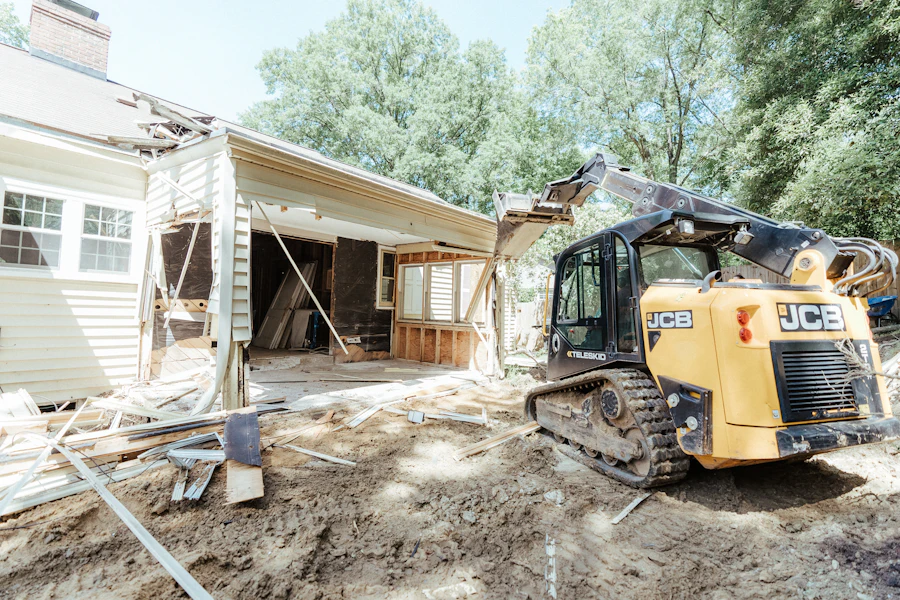
What counts as heavy debris
- Concrete, asphalt & brick — driveway and patio demos, retaining walls, masonry tear-outs. Clean loads (no trash mixed in) often route cheaper — worth keeping separate.
- Dirt, rock & sod — grading spoils, pool digs, landscaping bed rebuilds. Ozark clay weighs more wet than dry; covered bins on rainy weeks are not superstition.
- Roofing shingles — the sneakiest of the bunch. One layer off an average NWA roof is a couple of tons; older houses hiding a second layer double it. Roofs are quoted by squares, and "there might be two layers" is exactly what to say up front.
- Tile & plaster — bathroom gut jobs from NWA's 1970s–90s housing stock hit weight faster than anyone expects.
How to order a heavy load without the drama
Tell us three things: the material, the square footage it came from (driveway dimensions, roof squares, wall length), and whether anything else is going in. That's enough for a flat quote with a fill line you can trust — and the pickup happens on the first pass, with the weight ticket to prove the math.
Give us the material. Get the honest number back.
Heavy-debris bins across Fayetteville, Springdale, Rogers & Bentonville.
Reserve a Dumpster